
Lead Product Designer
Design Vision • Dev Specs
2025-Present • Shipped


About Role
While on the Wearables team at Spotify, I led the North Star Vision and end-to-end design execution. In close collaboration with Product, Research, and Engineering leadership, I aligned cross-functional strategy with user-centered execution to shape the future of wearable experiences.
Business goals.
Elevated core smartwatch engagement and satisfaction by defining a modernized visual and interaction language. Strategically closed feature parity gaps between watch and mobile platforms to unify the cross-device ecosystem, drive daily active usage (DAU), and boost long-term retention.
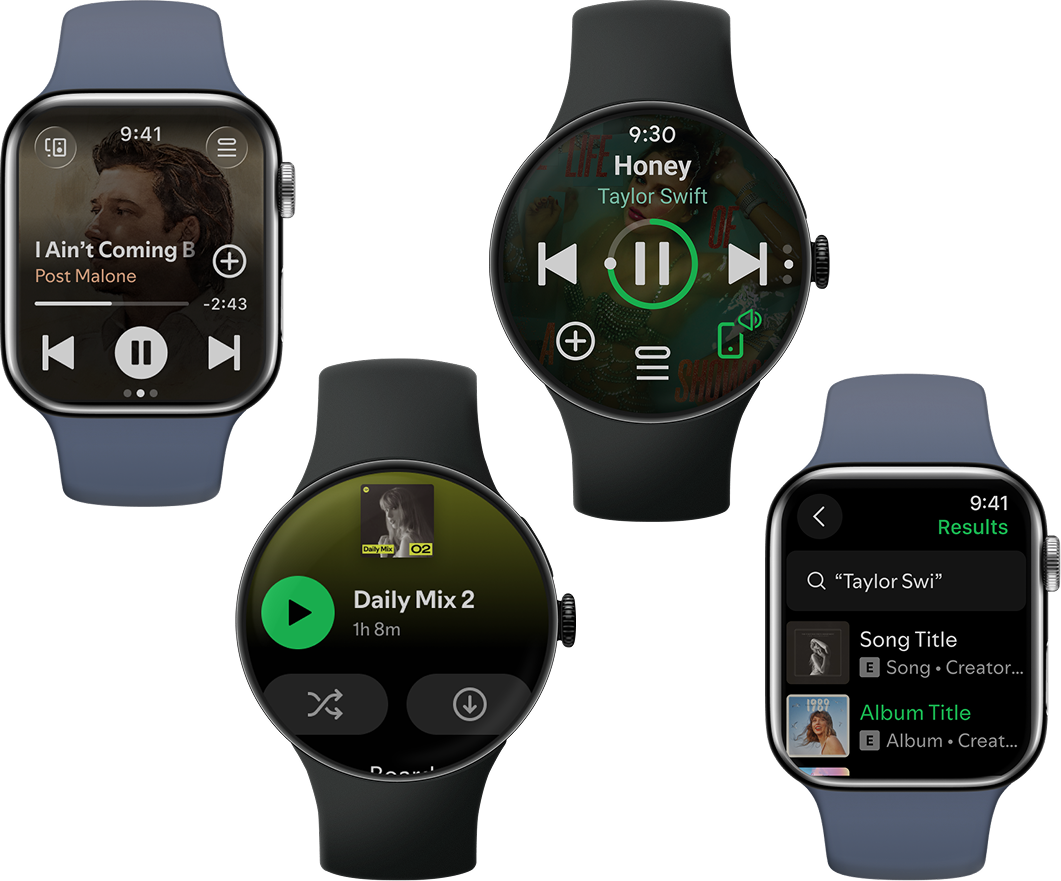
Included in case-study: High impact North Star designs • Design execution • Interaction and Visual design • High level user research.
Not included in case-study: Spotify design and accessibility audit • WatchOS and WearOS guidelines • Conceptual level ideation • Product & design strategy
Personalize
New Now Playing View
Research highlighted a key design gap: the interface felt generic, static, and lacked expressive personalization.
We knew from data that the most viewed screen was NPV so we decided to bring our canvas & cover arts to that surface along with some other minor adjustments.
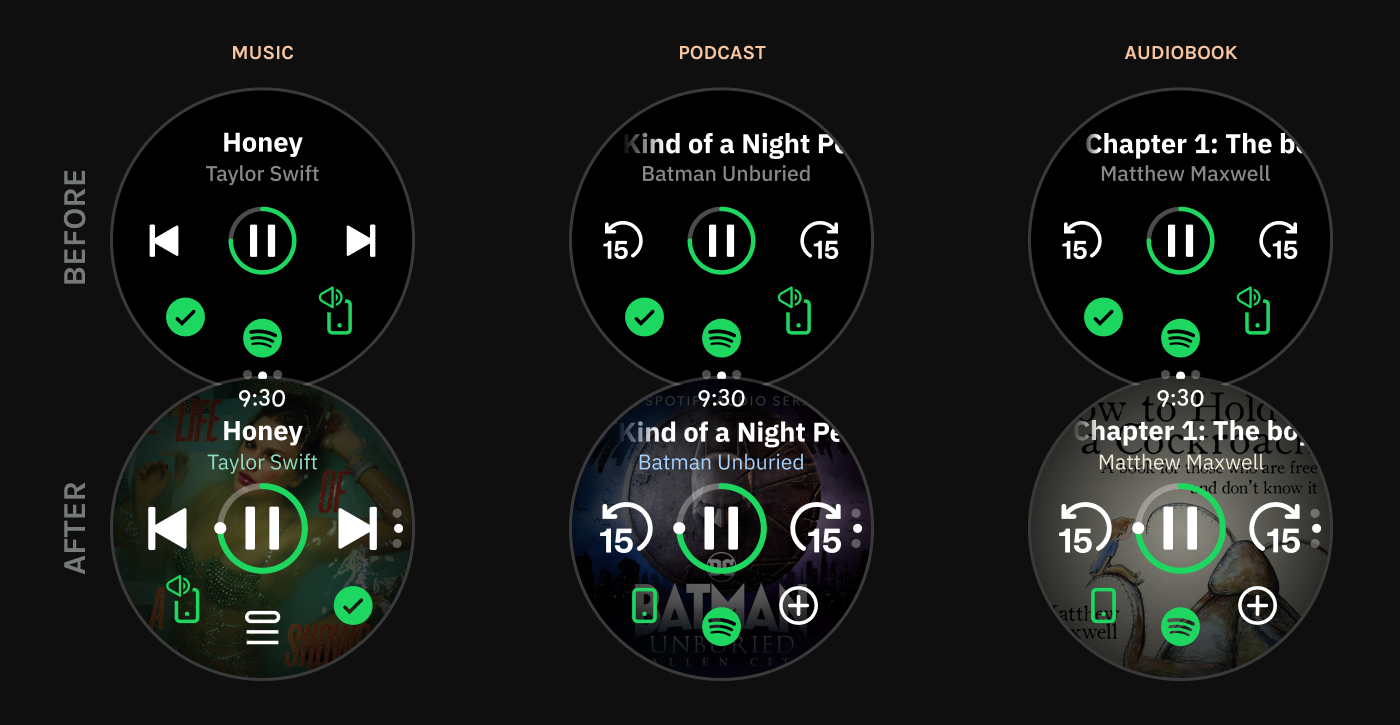
Before
We saw significant improvement in users perception when it came to Apple Watch. When it came to quantitative data we saw 32% increase in overall engagement with NPV.
After
Always On Visual Mode
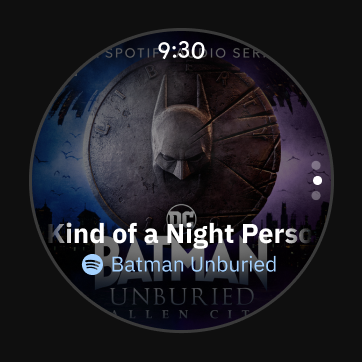
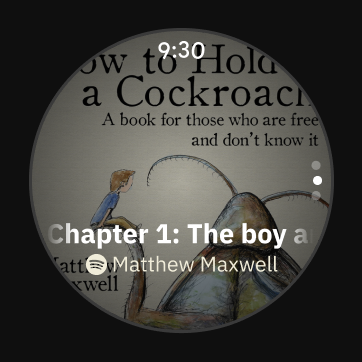
Introducing Visual Mode elevated platform personalization by empowering users to express and share their unique listening identity.
The 'Always On' feature was a key crowd favorite, seamlessly surfacing Visual Mode during ambient and idle states.
Impact On Metrics
In the latest survey 90% of participants felt that the app felt more expressive.
Engagement with NPV increased ~32%.
Session time on watch increased ~8%.
Remote Downloads
Visibility & Awareness
Survey insights revealed a major discoverability gap: while ~58% of monthly active users frequently used watch downloads, the vast majority were unaware they could trigger downloads directly from their phone a significantly lower-friction experience.
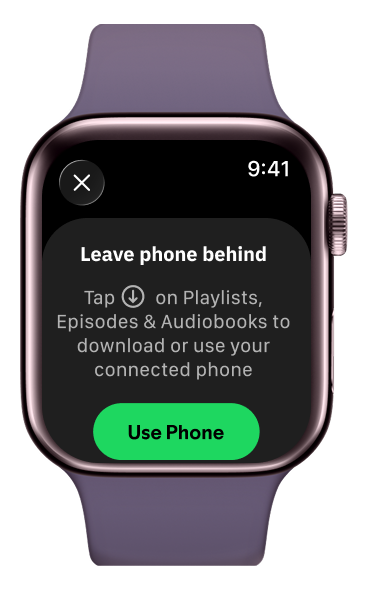
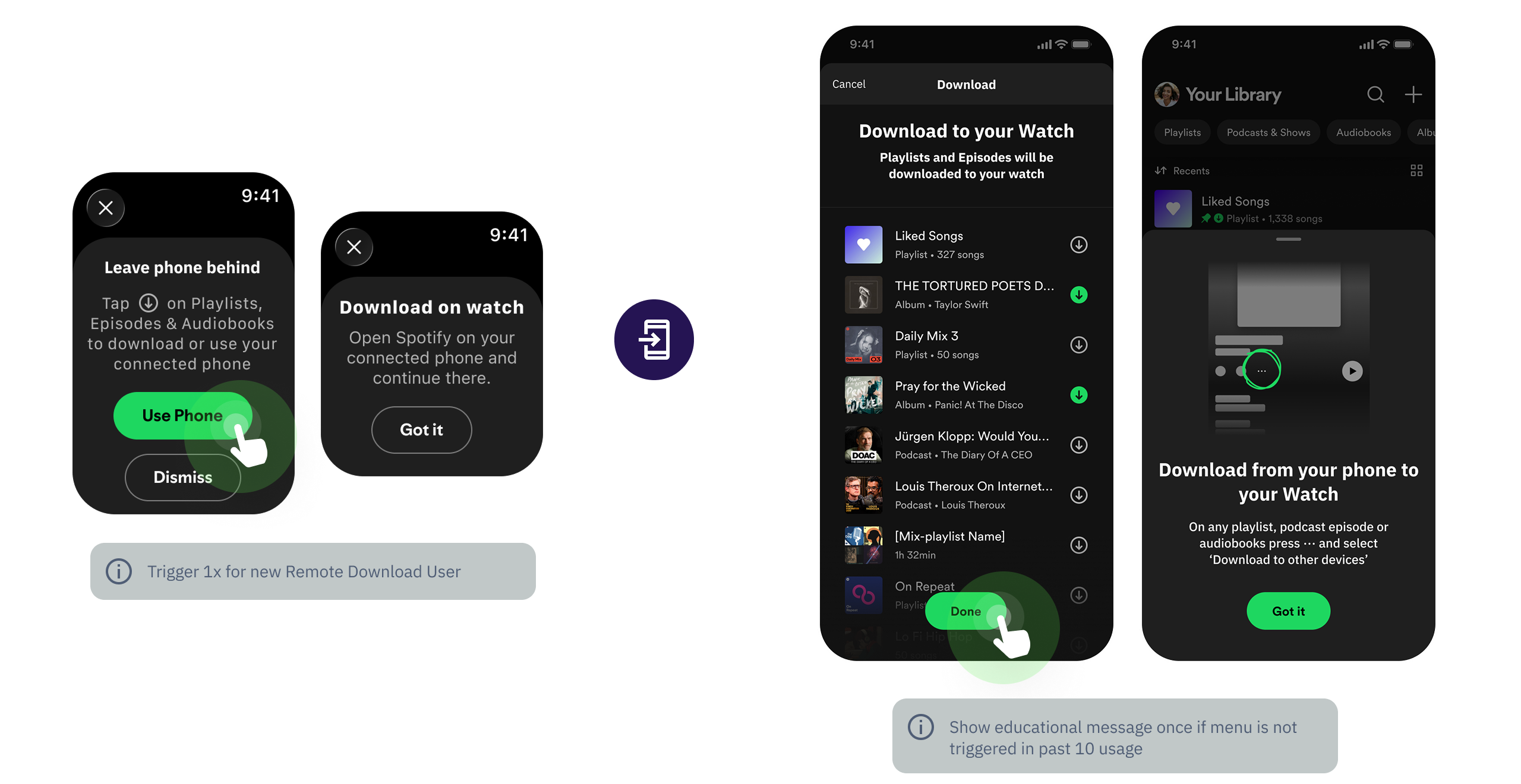
We added an awareness message on Watch for all users who have not used Remote Downloads before. We also added educational message on our main mobile app
Triggers and Entry Points
We also made sure that user can trigger the flow directly from the watch again. For that reason we also introduced an entry point under Downloads section in Your Library.
Impact On Metrics
Remote Downloads through phone to watch increase ~28%
Survey results suggested that users found Remote Download feature on phone far more convenient
Navigation
Simplifying Discovery
Historical research highlighted deep-navigational friction, users struggled to discover content and features buried below the primary and secondary tiers. This was compounded by IA structural flaws that obscured critical capabilities due to suboptimal UI placement.
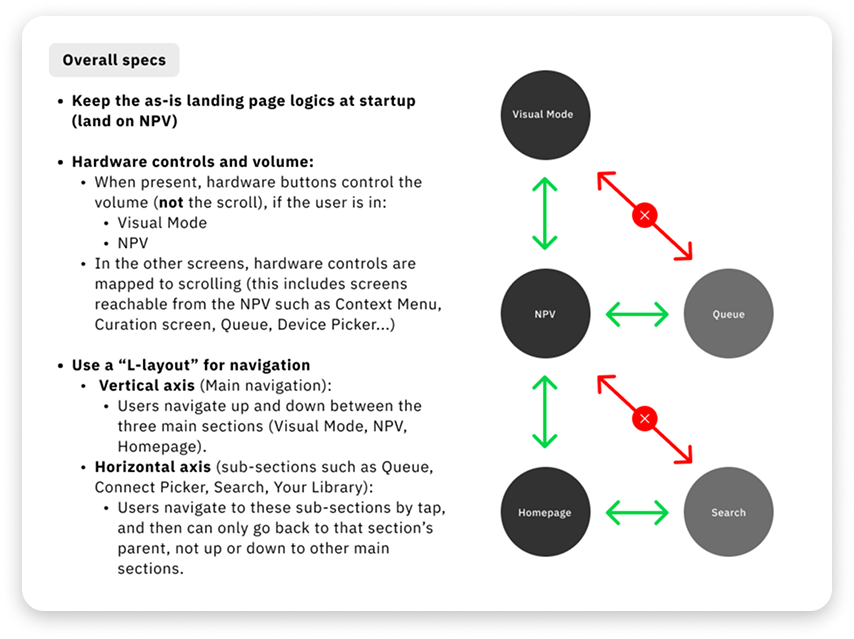
We already used vertical navigation for first tier navigation in WearOS and it has proven far more intuitive during testing. I decided to adapt the same pattern for WatchOS as well. Changes to IA helped make Save feature more prominent increasing its Engagement.
Impact On Metrics
On WatchOS we saw 18% increase in Interactions with Save button
Number of turns between tier 1 and tier 2 navigation reduced almost 36% as users were finding what they needed with in the 1st tier


Final Notes
Phased implementation of key concepts from our North Star Vision yielded immediate business impact across both platforms:
Overall Engagement: +36%
Watch Session Duration: +22%
Downloads on Watch: +28%
*Results are accumulation of WearOS and WatchOS
The redesign drove a marked increase in user satisfaction across personalization and navigation. Post-launch evaluations yielded strong CSAT scores of 86% on Wear OS and 84% on watchOS, directly validating that our design solutions resolved core user pain points.